Can You Live at Home During a Major NYC Renovation?
Most homeowners think renovations are just about picking finishes and signing contracts. But the real question hits harder when the sledgehammers show up — can you actually stay here? In New York City, where square footage costs more than most people's cars and temporary housing runs like a second mortgage, that decision carries weight. The answer isn't simple, and it's not the same for everyone. It depends on what's getting torn apart, how long you can tolerate chaos, and whether your building even allows you to stick around.
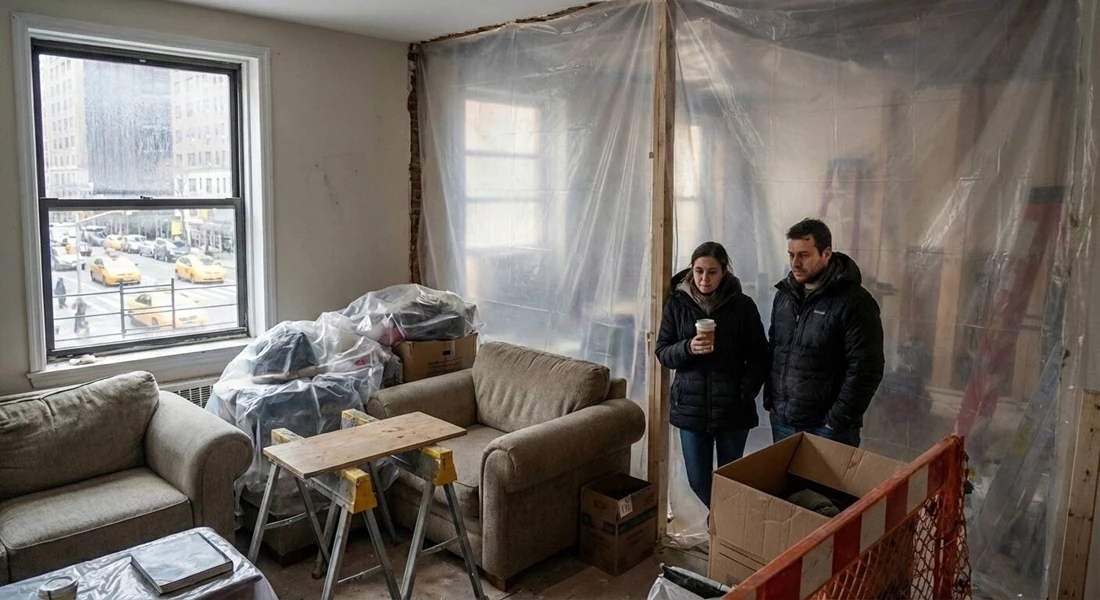
Here's what matters. If you're planning to gut your space, you're not just dealing with dust and noise. You're navigating co-op boards, alteration agreements, and neighbors who will absolutely complain if your contractor starts drilling at 7:01 a.m. Every project has a breaking point where staying becomes impossible. The trick is knowing where yours is before you're sleeping on a friend's couch with nowhere to shower.
What Kind of Work Are We Talking About
Not all renovations are created equal. Swapping out light fixtures and repainting walls? That's manageable. Ripping out load-bearing walls, relocating plumbing, or rewiring your entire electrical system? That's a different animal. The scope dictates everything — how long workers will be there, how much of your home becomes a construction zone, and whether you'll have access to basic necessities like running water or a functioning toilet.
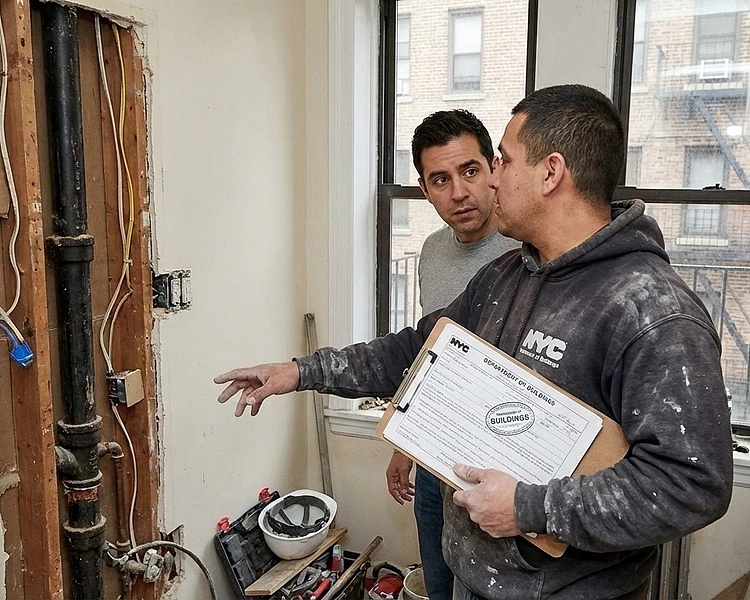
In NYC, the complexity multiplies. Buildings have rules. Permits take time. Inspectors show up unannounced. And if you're in a prewar walk-up with original plumbing, expect surprises that push timelines and budgets. The bigger the project, the harder it is to carve out livable space while the work happens around you. Understanding the step processes involved in major renovations can help you anticipate what's ahead.
Why Some People Tough It Out
- Avoiding rental costs: Temporary housing in this city isn't cheap. Staying put means keeping that money in your renovation budget instead of handing it to a landlord or hotel.
- Eyes on the project: Being there lets you catch problems early, answer questions in real time, and make sure the work matches what you signed up for.
- Protecting your stuff: Construction sites attract risk. Your presence reduces the chance of theft, damage, or unauthorized changes.
- Convenience: You're already home. No packing, no commuting back to check progress, no coordinating keys with contractors.
Why Others Pack Up and Leave
- Noise that never stops: Jackhammers, saws, drills — it's relentless. If you work from home or have kids trying to nap, good luck.
- Dust everywhere: Even with barriers, it gets into everything. Clothes, food, lungs. If anyone in your household has asthma or allergies, this becomes a health issue fast.
- No kitchen or bathroom: If the only bathroom is gutted or the kitchen's torn down to studs, you're looking at weeks without basic facilities. Microwaving meals in a hallway gets old. A kitchen remodel or bathroom remodel often requires temporary relocation.
- Safety hazards: Exposed wiring, open floors, tools lying around — not ideal if you have pets or small children.
- Mental exhaustion: Living in chaos wears you down. The lack of privacy, the constant mess, the inability to relax in your own space — it adds up.
The NYC Building Factor
Your building isn't just a backdrop. It's a player in this decision. Co-ops and condos have alteration agreements that spell out work hours, elevator reservations, and insurance requirements. Some buildings mandate that residents vacate during certain types of work, especially if it involves shared systems or structural elements. Violate those rules, and you're looking at fines or a full work stoppage.
Then there's the neighbor situation. Thin walls mean your renovation becomes everyone's problem. Expect complaints, expect pushback, and expect your super to get involved if things get too loud or messy. Older buildings add another layer — lead paint, asbestos, outdated infrastructure. Remediation isn't optional, and it's not something you want to breathe in while you sleep.
How to Make Staying Work
- Map out the timeline: Know exactly when each phase happens and which rooms will be unusable. If the worst of it falls during a week you can travel, plan around that.
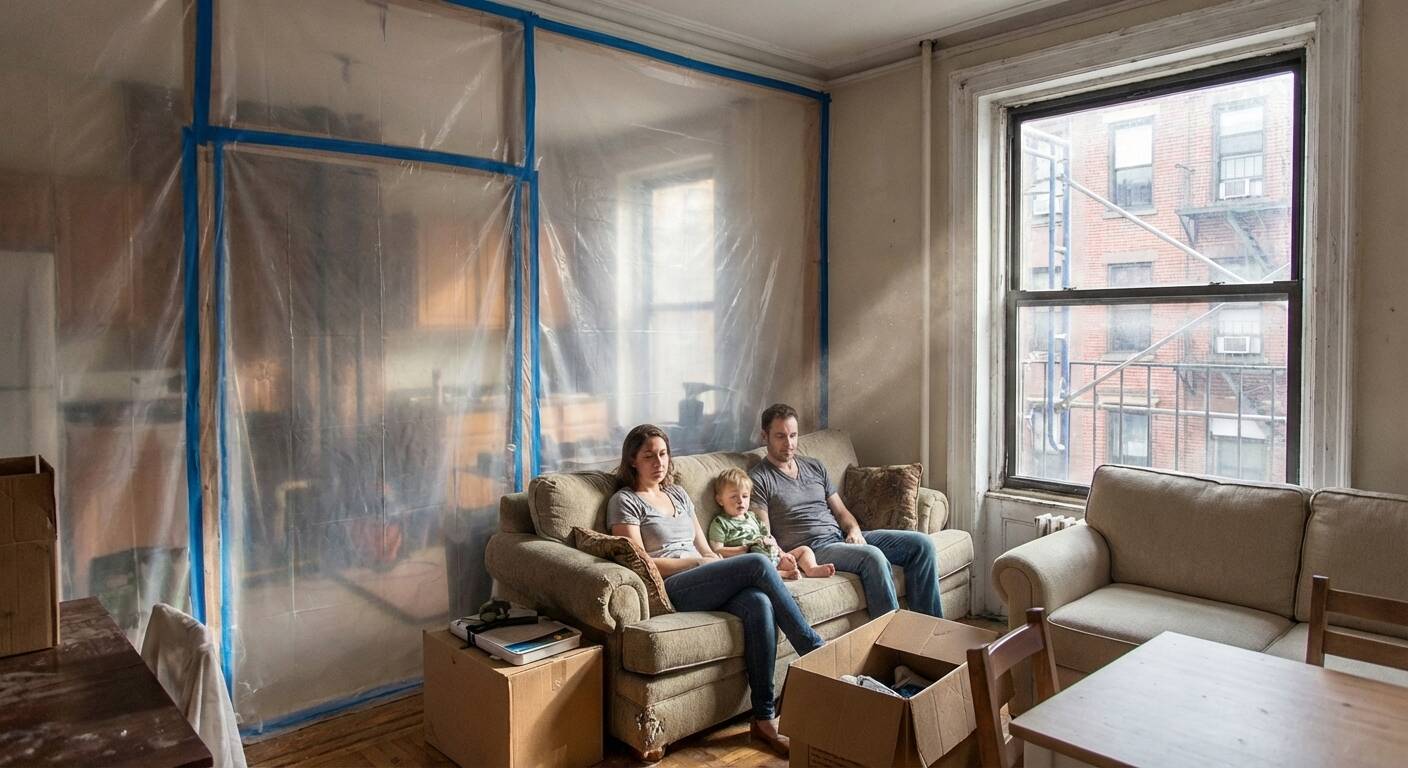
- Create a livable zone: Seal off one room as your safe space. Keep it clean, quiet, and stocked with essentials.
- Set up temporary facilities: A mini-fridge, microwave, and coffee maker can keep you fed. If your bathroom's out of commission, negotiate access to a neighbor's or scope out nearby gyms and cafes.
- Protect what matters: Move valuables, electronics, and anything irreplaceable out of the construction area. Use plastic sheeting and tape to contain dust.
- Communicate constantly: Daily check-ins with your contractor keep surprises to a minimum. If something's off, address it immediately.
When Moving Out Is the Only Real Option
Some projects don't leave room for compromise. If your water or electricity will be shut off for days, if hazardous materials are being removed, or if your building requires it, staying isn't just uncomfortable — it's not allowed. Families with young kids, elderly relatives, or anyone with health vulnerabilities should seriously consider relocating. The cost of temporary housing stings, but the cost of illness or injury stings worse.
Even if you're technically allowed to stay, ask yourself if you actually should. If the disruption is going to derail your work, your sleep, or your sanity, it might be worth the expense to find somewhere else for a few weeks. This isn't about toughness. It's about making a smart call based on your situation. A complete home remodel typically requires homeowners to vacate for the duration of the project.
Making the Call That Fits Your Reality
There's no universal answer here. Smaller projects with clear boundaries and short timelines? You can probably handle it. Full gut renovations that turn your apartment into a construction site for months? That's a harder sell. The decision comes down to what you can tolerate, what your building allows, and whether you have the resources to move out if needed. Either way, preparation is everything. Know what's coming, set boundaries with your contractor, and don't underestimate how draining it is to live in the middle of a build. Before committing to any major work, it's wise to request an estimate and review the full scope of our services to understand what your project entails. The finish line is worth it, but getting there requires more than just patience — it requires a plan.
Let’s Tackle Your Renovation Together
We know how overwhelming a major NYC renovation can feel, but you don’t have to navigate it alone. Let’s talk through your options, answer your questions, and help you decide what makes sense for your home and your family. Give us a call at 347-638-6487 or request an estimate today so we can help you move forward with confidence.
‹ Back
Recent Posts
-
Can You Live at Home During a Major NYC Renovation?
April 29, 2026
-

Is Now the Right Time to Renovate Your NYC Condo?
April 15, 2026
-
How Much Does a Full Apartment Remodel in NYC Cost?
April 1, 2026
-
Do You Need Permits for a Bathroom Remodel in NYC?
March 18, 2026
-

Is an Open Kitchen Layout in NYC Worth the Investment?
March 4, 2026
Site by