Do You Need Permits for a Bathroom Remodel in NYC?
Most homeowners think bathroom renovations are just about aesthetics and function. New tile, better lighting, maybe a walk-in shower. But the city sees more than that — and if we don't, we're setting ourselves up for headaches. Permits may not seem urgent when you're excited about design, but they leave a permanent record. Especially if the work touches plumbing, electrical, or structure.
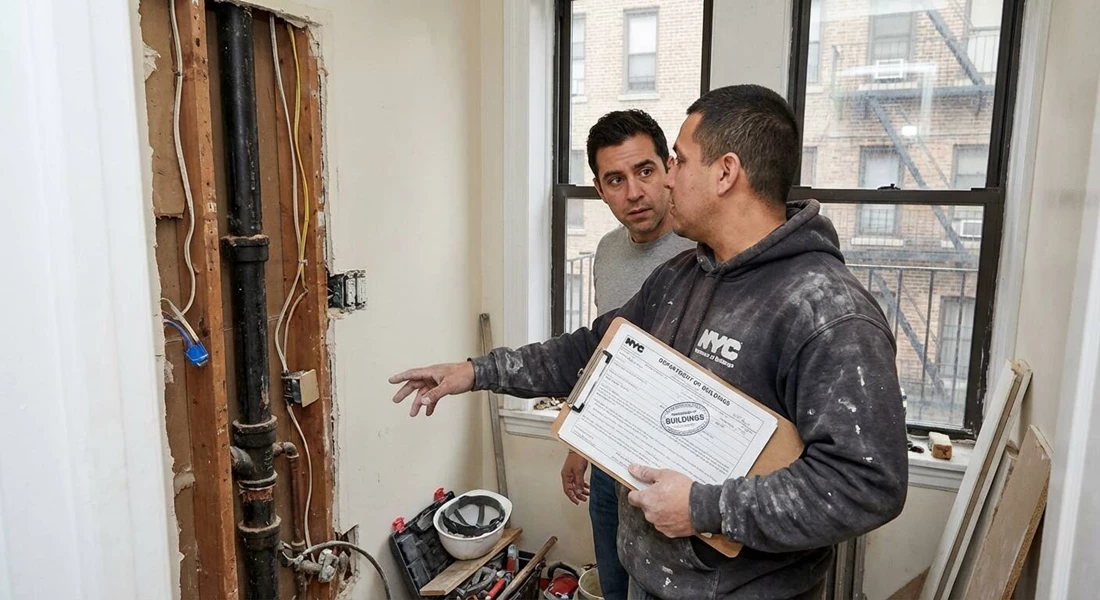
So here's what matters. If we're upgrading a space to make it livable and valuable, that's smart. Just don't treat the permit process like red tape we can skip. Every pipe relocation should have documentation. Every electrical change needs approval. And every renovation decision should be grounded in what the Department of Buildings requires — not just what looks good in the showroom.
When Cosmetic Work Stays Off the Radar
Nine times out of ten, surface-level updates don't trigger permit requirements. We swap out vanities, paint walls, replace mirrors — that's finish work, not construction. The DOB doesn't care how much we spent on marble, only whether we altered systems or moved walls.
But if that remodel involves relocating a toilet? Different conversation. Moving fixtures means rerouting plumbing, and rerouting plumbing means permits. We saw this play out constantly with gut renovations. Plenty of homeowners thought cosmetic meant anything that didn't involve a sledgehammer — it doesn't. And when inspectors show up, the city expects to see filed paperwork for anything that changes how water or electricity flows through the space.
The Work That Requires City Approval
We can't file permits for the loan principal of a renovation — wait, wrong analogy. We can't skip permits for the structural guts of a bathroom just because the surface looks clean. But the systems? Those demand oversight. The DOB generally requires permits when work affects safety, code compliance, or building infrastructure.
Here's where that requirement kicks in:
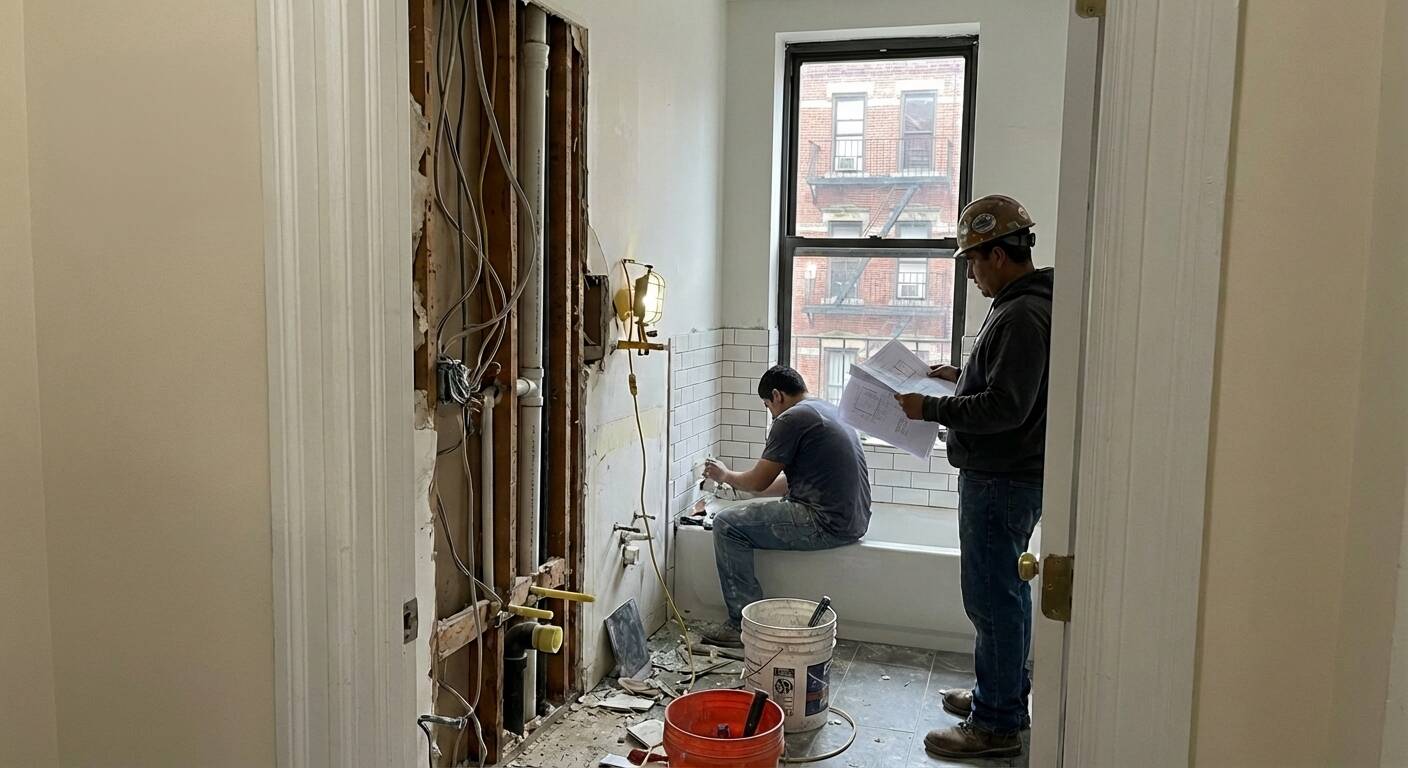
- Plumbing relocation: Moving sinks, toilets, or tubs means new pipe runs. Licensed plumbers must file, and inspections follow.
- Electrical upgrades: Adding circuits, relocating outlets, or installing heated floors all need permits. Surface fixture swaps usually don't.
- Structural changes: Knocking down walls or altering load-bearing elements requires plans stamped by an architect or engineer.
- Ventilation systems: Installing new exhaust fans or modifying ductwork often falls under mechanical permits, depending on scope.
- Co-op and condo boards: These aren't city permits, but building approval is mandatory. Skip it, and the board can halt everything — or fine us later.
When the Rules Don't Bend
Want to avoid permit trouble? We'll need to prove the work was done by licensed professionals — and that it met code at every stage.
The DOB has clear checkpoints:
- Work was performed by a licensed contractor, plumber, or electrician
- Plans were filed before construction began
- Inspections occurred at required intervals, not after the fact
Miss one of those, and the approval falls apart. Even if the bathroom looks flawless and functions perfectly. And if any of the work was done without permits? That portion becomes a liability. No retroactive sign-offs for unpermitted plumbing, even if it's been working fine for years.
The DOB Has Standards and Homeowners Hit Them
If our renovation involves anything beyond paint and hardware, there's a process we need to follow. The Department of Buildings enforces this through inspections, filings, and final sign-offs.
We'll need to navigate the system and document everything properly. Most bathroom remodels in residential buildings won't trigger major scrutiny — but those that do need to be airtight. Especially if we're in a landmark district or dealing with older infrastructure that doesn't meet current code.
Our Documentation Strategy Protects the Investment
Want to keep our remodel legal and sellable? Show the work. We'll need more than before-and-after photos to prove compliance.
Here's what our file should include:
- Signed contracts with licensed professionals, including license numbers
- Filed permit applications and approval stamps from the DOB
- Inspection records showing sign-offs at each stage
- Receipts and invoices tied to permitted work
If the DOB or a future buyer's attorney comes asking, they won't just take our word for it. Mixing permitted and unpermitted work is one of the fastest ways to tank a sale. So if that shower we installed required a permit but we skipped it, we'd better have a plan to legalize it before listing the property.
Where Most Renovators Stumble
Assuming Small Means Exempt
Trying to call a full plumbing overhaul a "minor repair"? The DOB won't buy it. Misclassifying scope can cost us real money or even trigger violations. Most homeowners stay compliant by consulting with licensed contractors early — and plenty avoid trouble by understanding common renovation pitfalls before breaking ground.
Forgetting to Schedule Inspections
Don't wait until the tile is grouted to realize we needed a rough-in inspection. If we cover up work before inspectors see it, we risk having to tear it out. If we skip inspections entirely, we're gambling with the certificate of occupancy. Schedule inspections as work progresses. It's tedious. It's mandatory.
Ignoring Co-op Board Requirements
If we received board approval but didn't file city permits — or filed permits but skipped board approval — that's a compliance gap. Both matter. If we didn't meet building requirements or just didn't submit the right alteration agreement, the board may treat it as unauthorized. Reference the building's house rules and don't guess. That's what managing agents and attorneys are for.
Common Questions About Bathroom Permits
Can we remodel without permits?
The cosmetic surface work? Usually yes. But the plumbing, electrical, and structural changes? No. Those aren't optional filings — they're legal requirements. Skipping them creates liability, not savings.
How long does permit approval take?
If our plans are straightforward and complete, approval can happen in weeks. If there are errors, missing signatures, or code issues, it drags out. Filing early and working with experienced professionals speeds everything up.
What happens if we skip permits?
Violations. Fines. Stop-work orders. And when we try to sell, title companies and buyers' attorneys will flag unpermitted work. We'll either need to legalize it retroactively — which costs more — or risk losing the deal entirely.
When to Bring In Licensed Help
If our bathroom project includes new plumbing lines, electrical circuits, or any structural modifications, we're in territory where DIY gets dangerous an in territory where DIY gets dangerous and illegal.
A licensed professional helps us:
- Determine which permits are required and which aren't
- File applications correctly the first time
- Coordinate inspections at the right stages
- Handle violations or corrections if issues arise
- Keep the DOB and our building management satisfied
It's not just about avoiding fines this year. It's about protecting our property value and ensuring the work holds up legally when we sell or refinance. If we're curious how other homeowners have navigated major renovations, looking at case studies of successful projects shows what's possible when permits and planning align. Working with professionals who understand our services ensures every aspect of the renovation meets code requirements. For those planning extensive work beyond just the bathroom, a complete home remodel approach can streamline the permit process across multiple rooms. Before starting any major project, it's wise to request an estimate that includes all necessary permit costs and compliance requirements.
Renovations With a Paper Trail
Designing the perfect bathroom isn't the hard part. Proving it was done legally — and defending that work when it matters — that's where homeowners get blindsided. There's no excuse for cutting corners when the permits are there to protect us. But there's also no forgiveness when we ignore the rules and hope no one notices. The city keeps records. Buyers hire lawyers. And unpermitted work always surfaces eventually.
Let’s Make Your Remodel Smooth and Stress-Free
We know how overwhelming NYC’s permit process can feel, but you don’t have to navigate it alone. Let’s work together to ensure your bathroom remodel is fully compliant, beautifully finished, and ready for years of worry-free enjoyment. Call us at 347-638-6487 to talk through your project, or request an estimate and we’ll help you get started the right way.
‹ Back
Recent Posts
-
Can You Live at Home During a Major NYC Renovation?
April 29, 2026
-

Is Now the Right Time to Renovate Your NYC Condo?
April 15, 2026
-

How Much Does a Full Apartment Remodel in NYC Cost?
April 1, 2026
-
Do You Need Permits for a Bathroom Remodel in NYC?
March 18, 2026
-

Is an Open Kitchen Layout in NYC Worth the Investment?
March 4, 2026
Site by